Aim & Scope
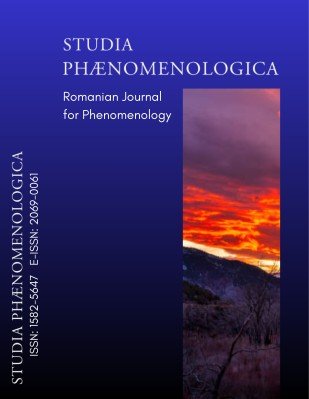
Studia Phaenomenologica is an international peer-reviewed journal dedicated to advancing scholarly research in phenomenology and related traditions within continental philosophy. The journal aims to provide a platform for rigorous philosophical inquiry, critical reflection, and interdisciplinary dialogue that deepens the understanding of phenomenological thought and its contemporary relevance.
The journal encourages original contributions that explore the philosophical foundations, historical development, and current applications of phenomenology. Particular attention is given to studies engaging with the works and intellectual legacy of influential thinkers such as Edmund Husserl, Martin Heidegger, Maurice Merleau-Ponty, and other major figures associated with phenomenological and hermeneutic traditions.
The journal welcomes contributions that address, but are not limited to, the following areas:
- Classical and contemporary phenomenology
- Hermeneutics and existential philosophy
- Phenomenology of perception, embodiment, and consciousness
- Phenomenology of religion and theology
- Ethics, political philosophy, and social phenomenology
- Phenomenological approaches to culture, art, and literature
- Methodological and theoretical developments in phenomenology
In addition to regular research articles, the journal periodically publishes special issues that explore specific philosophical questions, intellectual movements, or the work of significant philosophers. These special issues may adopt a multidisciplinary perspective, bringing phenomenological insights into dialogue with fields such as theology, religious studies, cultural studies, literature, psychology, sociology, and other areas within the humanities and social sciences.
Through its commitment to scholarly excellence and intellectual openness, Studia Phaenomenologica aims to foster meaningful academic dialogue and contribute to the continued development of phenomenological philosophy in a global scholarly context.